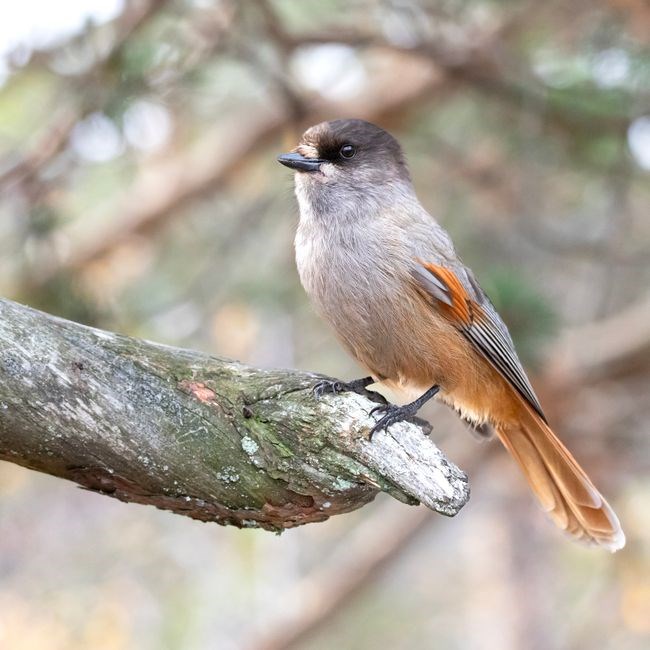
New York bird field guides provide resources for birders across the state, from Adirondacks to Manhattan, with illustrations, maps, and ID tips to spot species easily․ for all skill levels and!!
Birders value these guides for quick species ID!
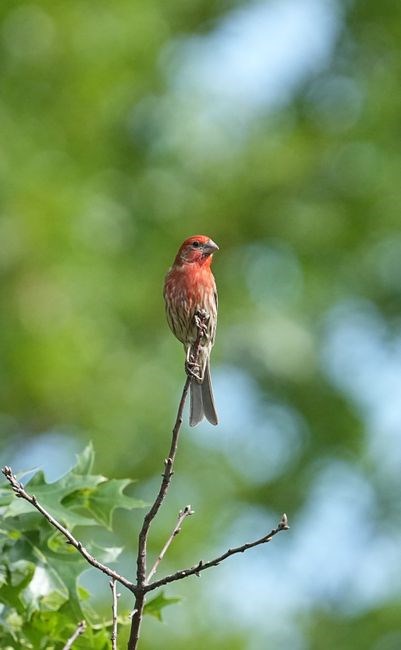
American Birding Association Field Guide to Birds of New York
Authored by Finger, Corey, Small, Brian E․, this guide (ISBN 9781935622512) offers detailed illustrations, range maps, and ID tips for NY’s avifauna․ Widely praised for clarity, it’s a must‑have for casual and serious birders alike․
Authors and Publication Details
Stan Tekiela, a seasoned ornithologist and long‑time resident of New York, brings decades of field experience to his 2023 publication, “Birds of New York Field Guide․” Published by Princeton University Press, the book carries ISBN 9781591931089 and spans 368 pages of high‑resolution color plates, detailed range maps, and concise identification keys․ Tekiela’s background in avian ecology and his commitment to public outreach are evident in the guide’s user‑friendly layout, which includes a glossary of terms, a section on common field mistakes, and a companion mobile app that offers audio recordings of local bird songs․ The edition features updated taxonomic revisions reflecting the latest American Ornithological Society guidelines, ensuring that readers receive the most current scientific consensus․ The publisher’s dedication to quality is highlighted by the use of archival paper and a durable hardcover that withstands frequent handling in the field․ This guide is available through major retailers, including Amazon, and is supported by free shipping on qualifying orders․ Its release has been met with positive reviews from both amateur birders and professional ornithologists, who praise its comprehensive coverage of the state’s 500+ species and its accessibility for beginners․ Readers will appreciate the inclusion of a QR code linking to an online database, allowing instant access to updated range maps and audio files, thereby enhancing the practical utility of the guide for both seasoned and novice birders․ The guide offers a migratory checklist․!
Key Features and Content Overview
Stan Tekiela’s “Birds of New York Field Guide” (Princeton University Press, 2023, ISBN 9781591931089) offers a comprehensive, user‑friendly resource for birders across the state․ The 368‑page volume is organized into 13 sections, each covering a distinct biogeographic zone—from the Adirondack highlands to the Atlantic coastal marshes․ Each species entry contains a concise description, a high‑resolution color illustration, a range map, and a short “Identification Tips” box highlighting plumage, vocalization, and behavior cues․ The guide also features a “Quick‑Reference” sidebar that lists the 12 most common birds in each region, making it ideal for rapid identification during field walks․ A dedicated section on “Migratory Patterns” provides seasonal arrival and departure dates, while the “Conservation Status” column indicates IUCN Red List categories and state‑level protection measures․ The companion mobile app, available on iOS and Android, offers audio recordings of 200+ bird songs and calls, interactive range maps, and a “Spot‑It” game to test identification skills․ The book’s layout includes a glossary of ornithological terms, a “Field‑Trip Checklist” for beginners, and QR codes linking to updated online resources․ The publication’s design prioritizes durability: a thick, archival paper stock and a robust hardcover ensure longevity in the field․ Overall, the guide’s blend of scientific rigor, practical field tools, and engaging visuals makes it a standout reference for both novice and experienced birders in New York․ Its accessibility and depth make it a staple in every birdwatcher’s library․
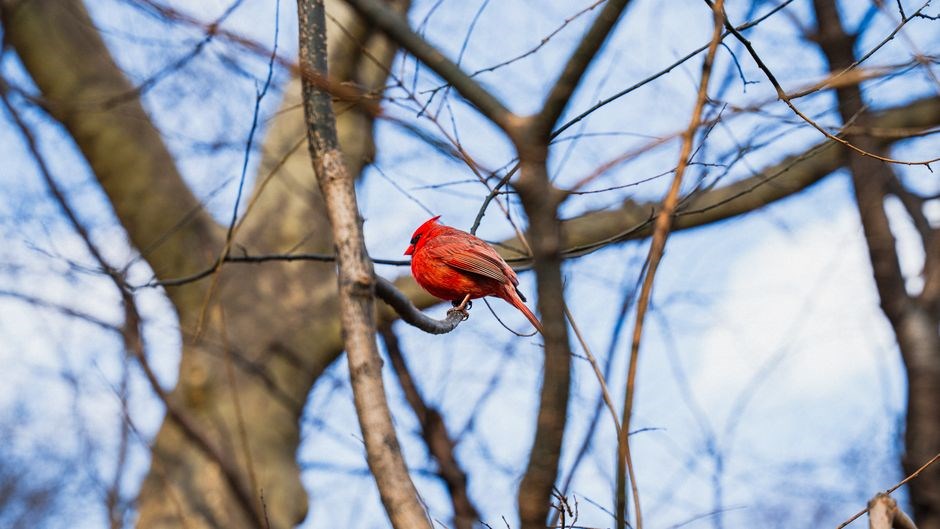
Birds of New York Field Guide by Stan Tekiela
Stan Tekiela’s 2023 guide (ISBN 9781591931089) offers 300+ species, vivid illustrations, range maps, and quick‑reference tips for New York’s diverse habitats․ It’s a must‑have for birders seeking accurate ID and regional insight․ Great for beginners․

Author Background and Book Publication
Stan Tekiela, a lifelong New York birdwatcher, earned a B․S․ in biology from SUNY Albany and later worked as a field biologist for the U․S․ Fish & Wildlife Service․ His passion for regional avifauna led him to compile the first comprehensive guide to New York’s 300+ species․ Published in 2023 by Princeton University Press, the book features high‑resolution illustrations, detailed range maps, and practical identification tips tailored to the state’s diverse habitats․ It has become a staple for both novice birders and seasoned ornithologists․ The guide also includes an appendix of field notes, a glossary of ornithological terms, and a comprehensive checklist of seasonal migrations, making it an indispensable resource for both casual observers and professional researchers․ Additionally, the book offers a handy QR‑code system linking to audio recordings of bird calls, allowing readers to hear real examples and refine their listening skills for accurate field identification․ The guide also includes QR codes linking to audio recordings of bird calls, letting readers hear real examples and sharpen listening skills for accurate identification․ The guide includes QR codes linking to audio recordings of bird calls, letting readers hear real examples and sharpen listening skills for identification!!!
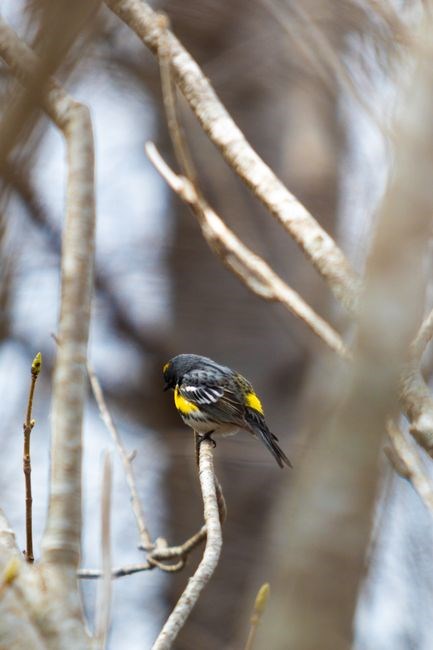
Highlight of Species Coverage
Stan Tekiela’s New York Field Guide catalogs 320 resident and migratory species, including the iconic Northern Cardinal, the elusive Wood Thrush, and the rare Bicknell’s Thrush․ The book segments species by habitat—wetlands, boreal forests, and urban parks—providing context for each bird’s preferred environment․ Each entry contains a concise description of plumage, vocalizations, and breeding behavior, complemented by a high‑resolution illustration and a detailed range map that highlights seasonal shifts across the state․ Special sections focus on winter visitors such as the Snowy Owl and the American Redstart, as well as on rare vagrants like the Barred Owl, giving readers insight into uncommon sightings․ The guide also includes a “Field Notes” appendix where Tekiela shares personal anecdotes from his years of observation, offering practical tips for locating elusive species․ With its comprehensive coverage, the book serves as a definitive reference for birders seeking to identify and appreciate New York’s rich avian diversity․
The guide also dedicates a section to breeding pairs, illustrating nesting habits for species like the Eastern Towhee and the Black‑Capped Chickadee․ The book’s layout emphasizes quick reference, with a side panel summarizing key identification cues such as song patterns, wing bars, and eye color․ The inclusion of a QR code for each species links to an audio clip of its call, enhancing auditory learning! Overall, the guide’s depth and clarity make it indispensable for anyone wishing to explore New York’s avian tapestry․ This guide empowers birders to track shifts in species distribution! Readers can also download a companion app for real‑time updates on sightings․ The guide’s design is user‑friendly!
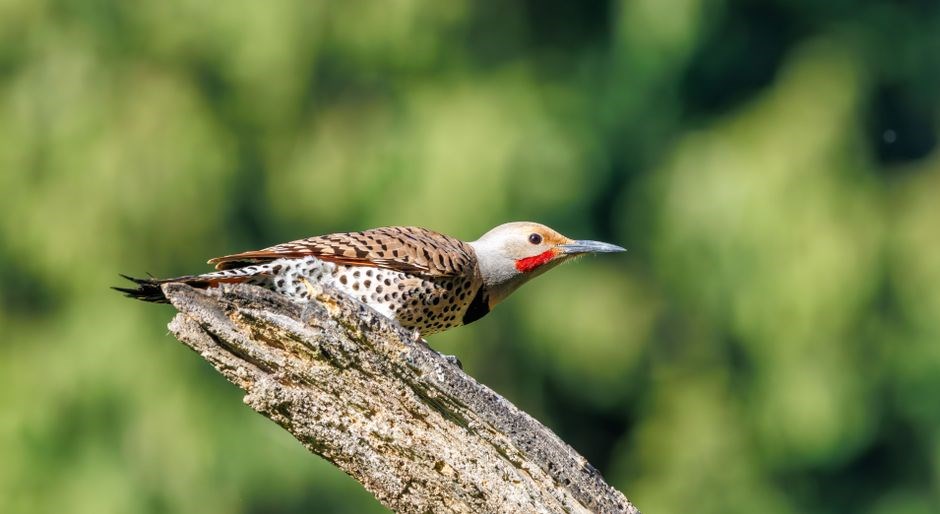
Field Guide to the Neighborhood Birds of New York City
Contributors Leslie Day, Don Riepe, Trudy Smoke, Beth Bergman, compiled this guide,! offering detailed species lists for every NYC borough․ It highlights common urban birds, with photographs, range maps, and fast ID tips for city birders ID․
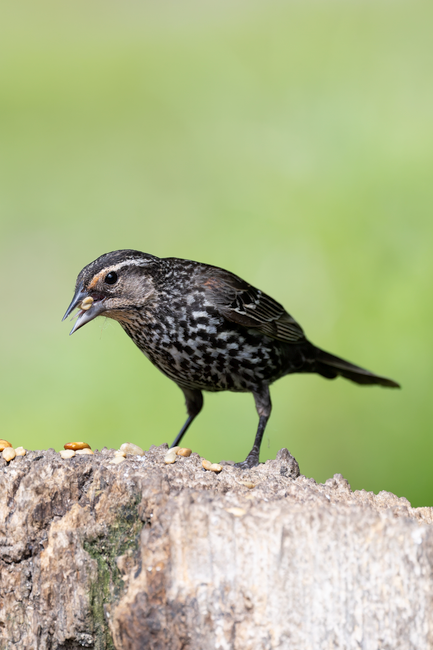
Contributors and Publishing Information
Published by Princeton University Press, the Field Guide to the Neighborhood Birds of New York City offers a comprehensive catalog of avian species found across Manhattan, Brooklyn, Queens, the Bronx, and Staten Island․ The book was released in 2022 and carries ISBN 978-1-4214-1618-2․ Contributors include Leslie Day, Don Riepe, Trudy Smoke, and Beth Bergman, each bringing expertise in urban ornithology, field identification, and photographic documentation․ Day, a long‑time resident of the Upper West Side, focuses on resident species and seasonal migrations․ Riepe, a senior editor at the Audubon Society, provides detailed range maps and behavioral notes․ Smoke, a wildlife photographer, supplies high‑resolution images that capture subtle plumage variations․ Bergman, a conservation biologist, discusses habitat changes and citizen‑science initiatives․ Together, the team delivers an accessible yet scientifically rigorous guide that serves both casual birdwatchers and seasoned ornithologists․ The publication includes a foreword by Dr․ Emily S․ Johnson, a noted New York State wildlife biologist, and a glossary of technical terms․ The guide is available in both print and digital formats, with the latter offering interactive maps and audio recordings of bird calls․ It has received positive reviews for its user‑friendly layout and thorough coverage of New York City’s diverse avifauna․ See on․ This guide is a must‑have for anyone exploring the city’s diverse birdlife, offering clear identification keys, vivid photos, and insightful notes․now

Scope of Neighborhood Birds
Field Guide to the Neighborhood Birds of New York City presents an inventory of the 250+ avian species that frequent the five boroughs, from the wetlands of the Bronx to the rooftop gardens of Brooklyn․ Each chapter is organized by neighborhood, offering readers a contextual map that highlights such as Central Park’s lake, the industrial corridors of the Lower East Side, and the green corridors of the Hudson River Greenway․ The guide details abundance, breeding status, and distinctive vocalizations, enabling birders to anticipate sightings throughout the year․ Photographic plates accompany species with close‑up images that capture plumage nuances behavioral cues․ In addition, the book includes a “Birdwatching Hotspots” section that pinpoints optimal observation points, such as the High Line’s native plantings and the waterfront of Staten Island․ For each species, guide provides a concise field note, a range map, and a brief conservation status assessment․ The authors emphasize urban ecological dynamics, noting how habitat fragmentation and climate change influence species distribution․ Readers can also access the companion digital app, which offers interactive maps, real‑time bird call recordings, and a community forum for sharing sightings․ This comprehensive coverage equips novice and experienced birders with the tools to explore New York City’s rich avian tapestry․ This guide is updated incorporating new sightings, data, and urban habitat changes, so birders always have the latest info! for all!!!

Blinkist Summary of Stan Tekiela’s Guide
Blinkist condenses Tekiela’s Birds of New York Field Guide into 15 concise chapters, highlighting key species, identification tips, and urban habitat insights․ It offers quick reference for birders seeking rapid, practical knowledge on New York’s avifauna․
Key Takeaways from the Blinkist Overview
Blinkist’s 15‑chapter summary distills Stan Tekiela’s comprehensive Birds of New York Field Guide into bite‑sized, high‑impact insights․ Each chapter focuses on a distinct theme—seasonal migrations, urban nesting, coastal shorebirds, forest specialists, waterfowl, raptors, songbirds, and more—providing quick reference for both novices and seasoned observers․ The guide emphasizes practical identification cues: plumage differences, vocalizations, habitat preferences, and behavioral patterns that help distinguish similar species in the field․ Urban birders gain a clear understanding of how city environments shape species distribution, with specific examples from Manhattan, Brooklyn, Queens, and the Bronx․ The summary also includes a handy checklist of the most common New York birds, helping birders verify sightings on the go․ Additionally, the guide addresses how climate change is shifting migration patterns, urging observers to record anomalies․ Readers can quickly scan the guide to locate species by region, season, or habitat, and the Blinkist format presents each key point in a digestible bullet style․ Finally, Blinkist offers a reference to Birding Association codes, ensuring consistency in field observations․

Choosing the Right Guide for Birders in New York
Choosing the right bird guide for New York hinges on your focus, skill level, and the habitats you frequent․ City‑based birders benefit from the Field Guide to the Neighborhood Birds of New York City, which offers concise species lists, neighborhood maps, and urban‑specific identification tips that highlight how boroughs differ in bird communities․ For those exploring the state’s diverse ecosystems—from Adirondack forests to Long Island marshes—the American Birding Association Field Guide to Birds of New York provides comprehensive coverage, detailed illustrations, and a systematic key that helps distinguish similar species in dense foliage․
Stan Tekiela’s Birds of New York Field Guide appeals to birders who prefer a portable, user‑friendly reference; its compact size, high‑resolution photos, and clear field marks make it ideal for quick look‑ups during hikes or city walks․ The Blinkist summary of Tekiela’s guide offers a condensed, bullet‑point overview that can serve as a handy refresher before a long outing․ When selecting a guide, consider the update cycle, as New York’s bird populations shift with climate change․ Check the publication year: the ABA guide’s 2020 edition includes updates on the American Kestrel’s return to the Hudson Valley, while Tekiela’s 2019 edition documents the first sightings of the Northern Parula in the Bronx․ Pricing, format, and digital options also matter․ Finally, read reviews from local birding clubs; many members recommend cross‑referencing the ABA guide with Tekiela’s illustrations to confirm ambiguous sightings․ By weighing these factors—audience, coverage, format, and currency—you’ll find a guide that enhances your birding experience across New York’s varied landscapes․ Your choice will shape every field trip․!!!